
Dramatic, funny, instructive;
finance professionals
share their stories.
Stories










Tom Jasper founded and ran Primus, a unique financial company that sold credit protection on corporate debt and subprime mortgages via credit default swaps.
Life on a trading floor losing $45 billion, physicists failing to model mortgage defaults, telling John Paulson to short mortgages, flak for revealing Ambac’s losses, and the best subprime analyst.
In his career at the Bell System, Salomon Brothers, and his own firms, Andy Kalotay examined finance questions others ignored. He also developed a critical view of the public finance industry.
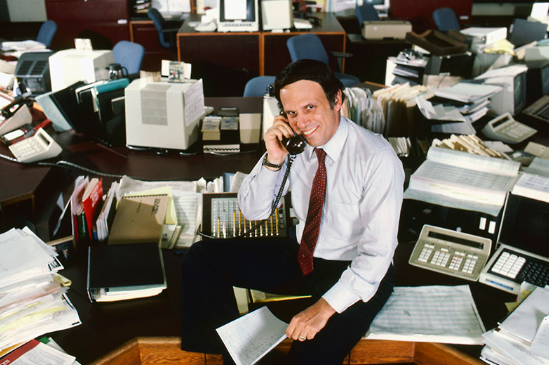
Lenny Barshack started at Salomon Brothers in 1980 as a computer programmer and moved into sales a year later. Here he shares a salesmanship lesson he learned from his boss on a client visit.
Derek Wallis was a hedge fund equities trader when he got a call from an impetuous sell-side trading assistant. Sammy would cross Derek’s path for the next ten years.
In 2017, Yazan Barghuthi left a career consulting to financial institutions to mint cryptocurrencies and create finance solutions with blockchain technology.
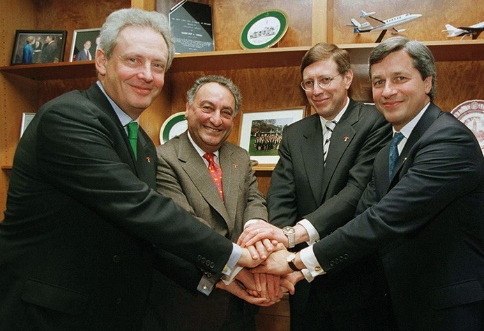
Joe Pimbley’s consulting firm was hired to determine the facts surrounding Lehman’s failure. While numerous factors contributed to Lehman’s demise, the immediate cause was collateral calls by Lehman’s clearing banks, chiefly JPMorgan.
Wendy de Monchaux headed Drexel Burnham’s interest rate swap dealer when its parent firm filed for bankruptcy in 1990. The bankruptcy terminated Drexel’s swaps. Although transaction documentation specified the process, there were serious obstacles to unwinding hundreds of swaps with over 60 counterparties.
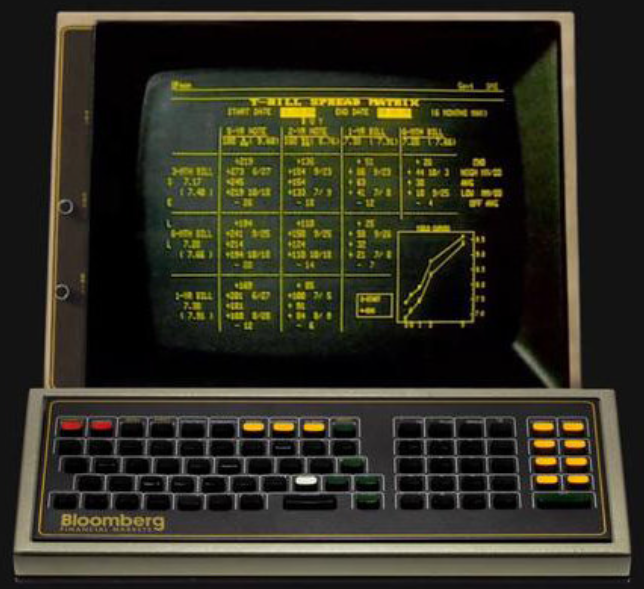
Marty Fridson began his financial career in 1976. He experienced the explosion of technological tools available to securities analysts.
Richard Bookstaber was Salomon Brothers’ chief risk officer in 1997 when the firm was bought by Travelers and merged with Smith Barney, Travelers’ retail brokerage. He describes the resulting clash of cultures.
Steve Bernstein began his career at Salomon Brothers in 1983. He shares humorous events from his first years there.
As an attorney and banker, Oussama Nasr created securitization structures for 12 years. Here he describes two structures intended to create securities with high expected returns, but also high ratings and low capital requirements. One succeeded and one failed spectacularly.
Andy Constan was a second-year analyst at Salomon Brothers when the stock market declined 23% on Black Monday. Selected to join the Brady Commission’s investigation of the market crash, he learned exactly why and how it occurred.
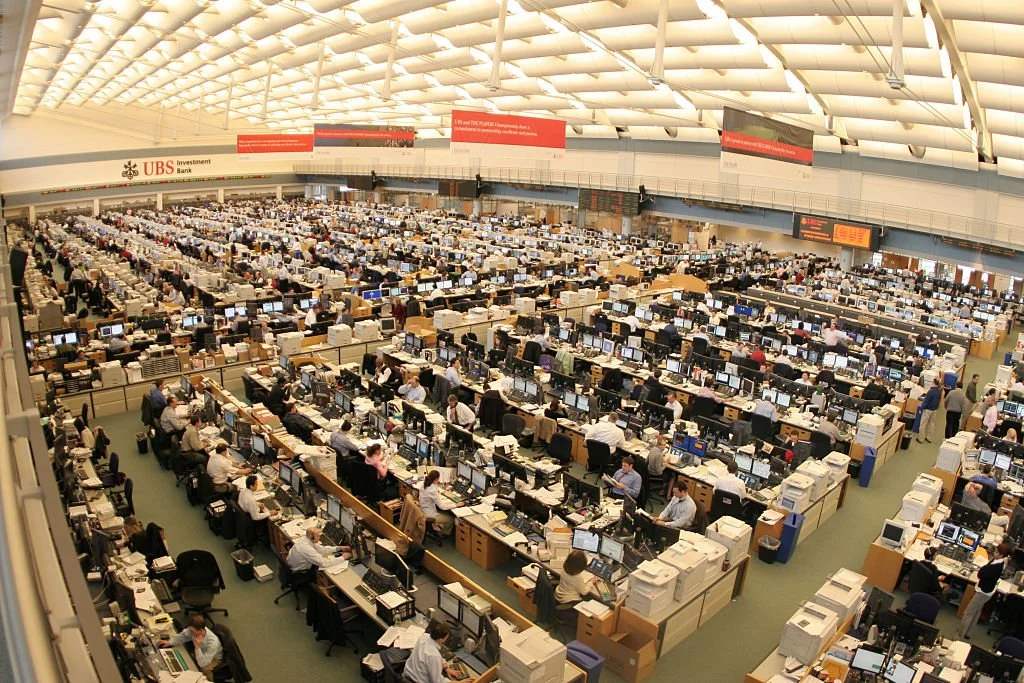
UBS’ mortgage trading floor, at 6th and 51st in Manhattan, lost $45 billion in the subprime meltdown of 2007-08. It was shut down in 2009. Photos by Trevor Murray.
Phil Perkins witnessed extreme behavior and mean pranks on Salomon Brothers’ mortgage trading desk in the late 1980s.
Joe Pimbley has a PhD in theoretical physics, but in this story, he talks about a type of common sense called “peasant logic.”
As an analyst and manager at Moody’s, Don Noe met with many CEOs and CFOs to better understand their companies’ credit quality. He describes notable interactions in those meetings.
Steve Antczak was a fixed-income strategist at Wall Street firms for 21 years. At UBS in the 2000 aughts, he describes two types of trades investors executed to good and bad results.
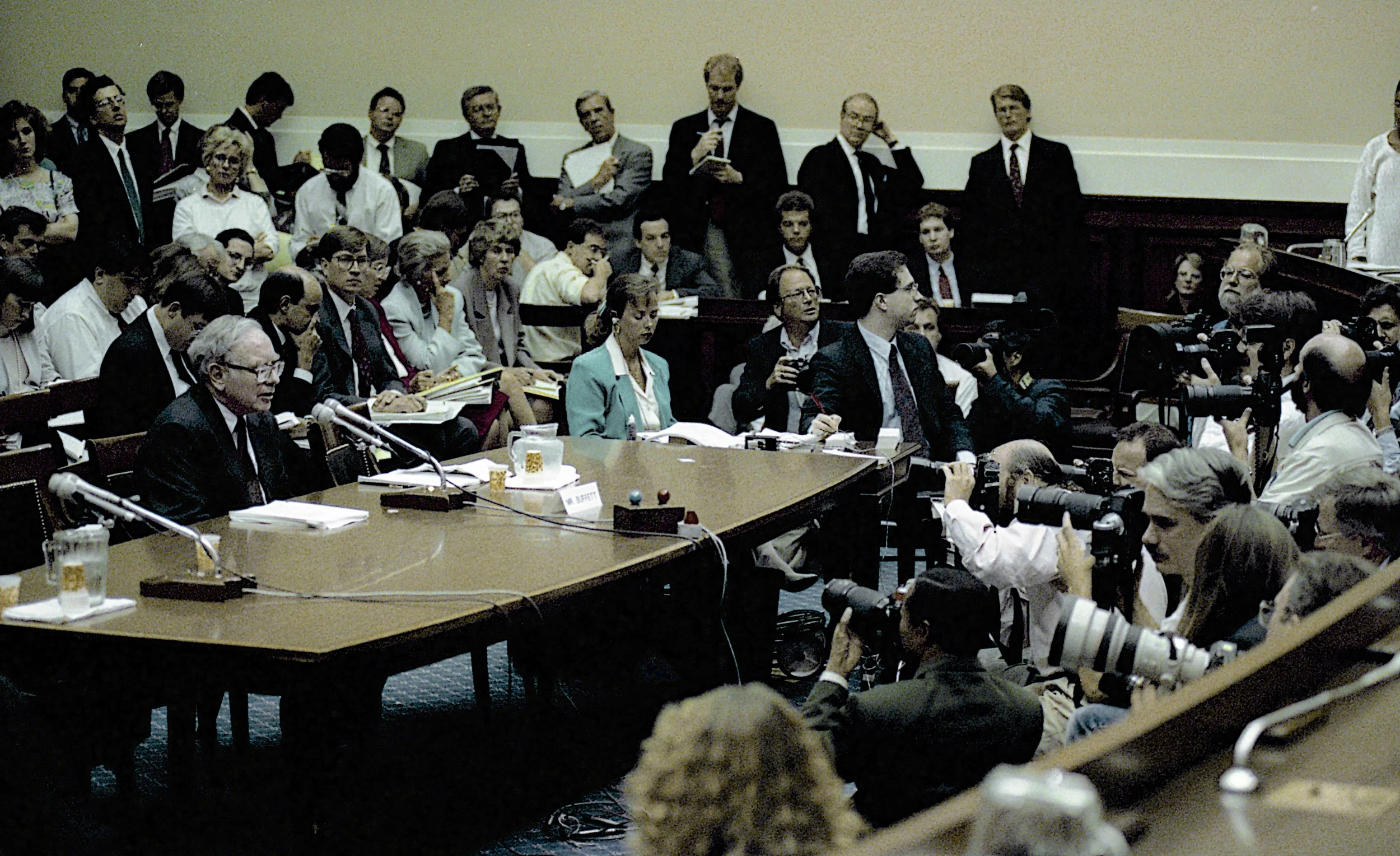
As Salomon Brothers’ treasurer, John Macfarlane and his team struggled to finance the firm and prevent it from defaulting on its debt when it was embroiled in scandal.
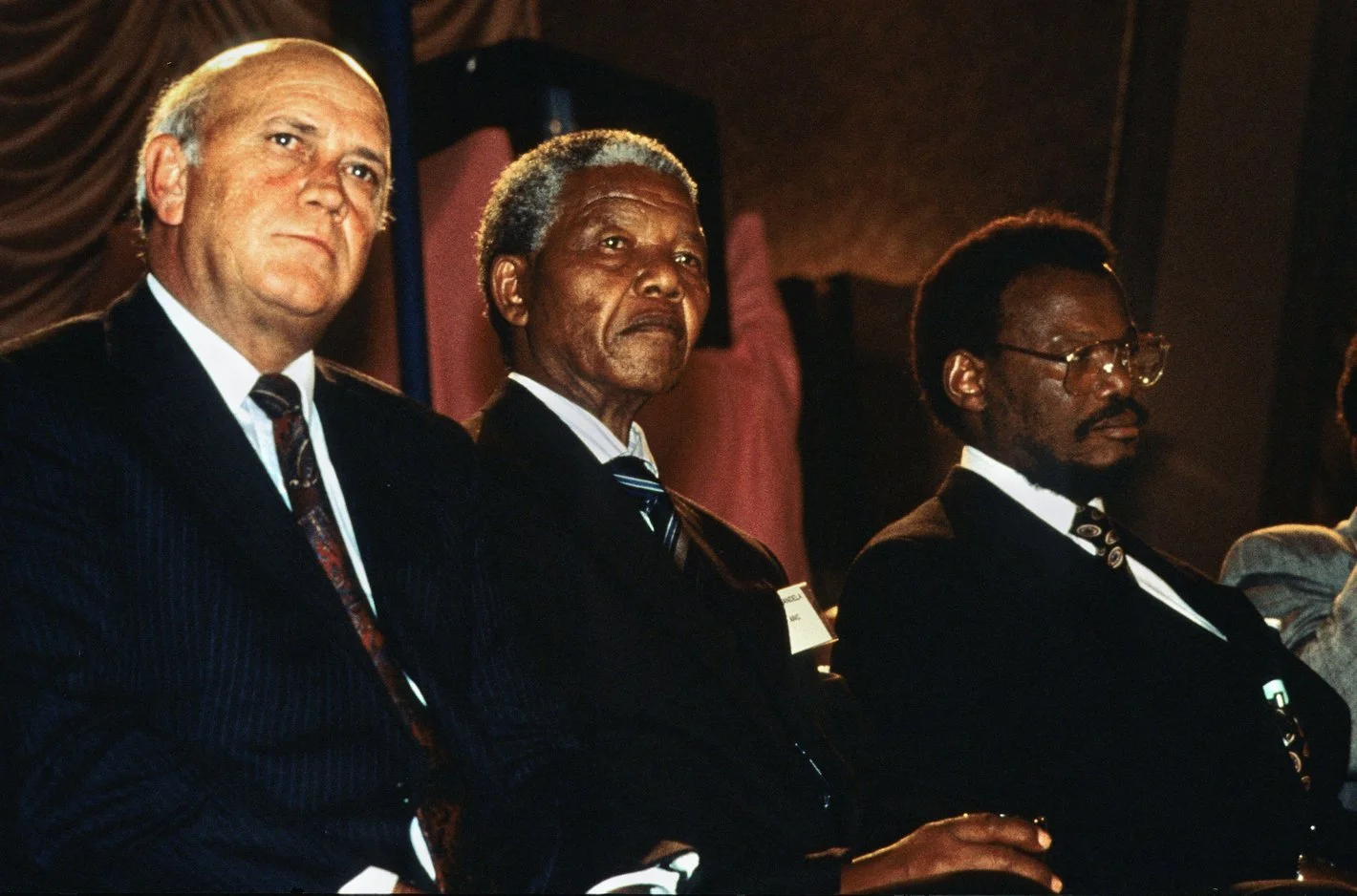
After apartheid ended, Mandela’s government applied for a Moody’s credit rating. David Levey describes players in South African politics, the new government’s policies, and Moody’s process in rating the country’s debt.
Laurie Goodman describes how the subprime mortgage crisis of 2007 tested sell-side research independence. Analysts making bearish calls on mortgage securities clashed with traders holding those securities in inventory.
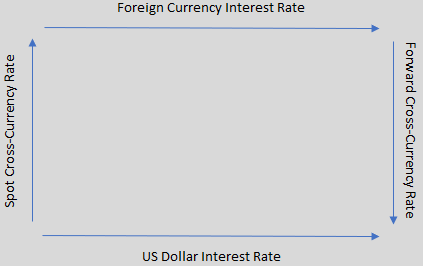
Victor Haghani discusses an attractive trade identified by Salomon Brothers’ fixed income arbitrage traders in 1988. But how much capital did the trade put at risk and how much of it should Salomon do?
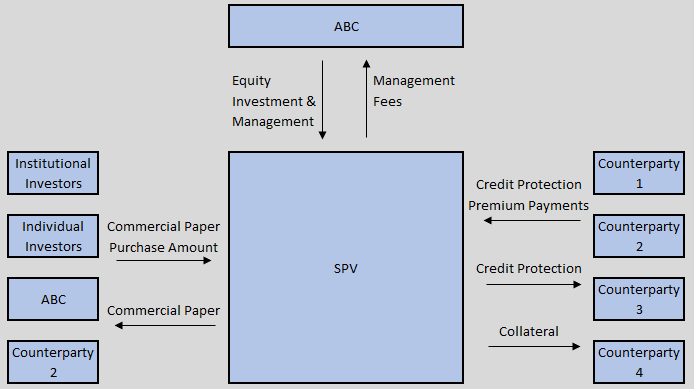
In 2008, a global bank asked Flavio Bartmann to prevent a default that would further disrupt a financial system already beset with crisis. Executing a solution required difficult negotiations with the bank, commercial paper investors, and credit protection counterparties.
Doug Watson met the “junk bond king” in 1988 when Milken was arguably the most important person in US capital markets. Doug witnessed a demonstration of Milken’s genius, but also clues that presaged Milken’s downfall a few months later when he was indicted on securities fraud.